
Small Drops, Big Ripples
Smaller nations often act as trendsetters. Their policies and cultural shifts can spark ripple effects that much larger nations eventually follow.
Ireland, for example, was the first country in the world to introduce a nationwide smoking ban in 2004. At the time, many thought it was impossible — but within a few years, most of Europe and even cities in the US had followed suit.
Climate action works the same way: a “small drop” can send waves outward, proving bold changes are possible and inspiring bigger emitters to follow.
5 Ways to Cut Your Emissions
How to reduce your carbon footprint:
Could you be arsed?
Many people point to countries like China and India when discussing climate change, even though their emissions per person are much lower than ours. The average Irish person emits around 11.5 tonnes of CO₂each year. This is amore than double the global average of 4.5 tonnes. By comparison, the average American emits about 15.5 tonnes, the average Chinese person 7.1 tonnes, and the average Indian person just 1.9 tonnes. We have a responsibility to reduce our own emissions.
Individual actions wont solve climate change on their own, but they do matter when combined with systemic change. The habits below reduce your own emissions while helping to challenge the culture of overconsumption. Humans are social creatures, our behaviour influenes others and helps signal what is normal.
Thats where individual action has its greatest impact. While governments must do far more to regulate the fossil fuel industry and invest in cleaner infrastructure, we can still make choices that lower our own emissions and encourage others to do the same. Despite what the media sometimes suggests, many of the most effective personal climate actions are surprisingly simple.
1. Cut Car Dependency
Shifting away from private car use is one of the most impactful climate actions. Choose to walk, cycle, or take public transport (if it is available). You might be a bit inconvenienced at first. The bus isn´t going to start coming on time because you decided to start taking it. So going in with realistic expectations is a good approach. Becoming a one-car (or no-car) household drastically reduces emissions while improving quality of life and public space. Check if any car-sharing services like GoCar or Yuko are near you. If you live in a rural area, this may not be an option, but you may support campaigns and politicians who support initiatives like Park & Ride, improved electric vehicle infrastructure and inter-county rail etc... Different places, different solutions.
2. Eat Lower-Impact Foods
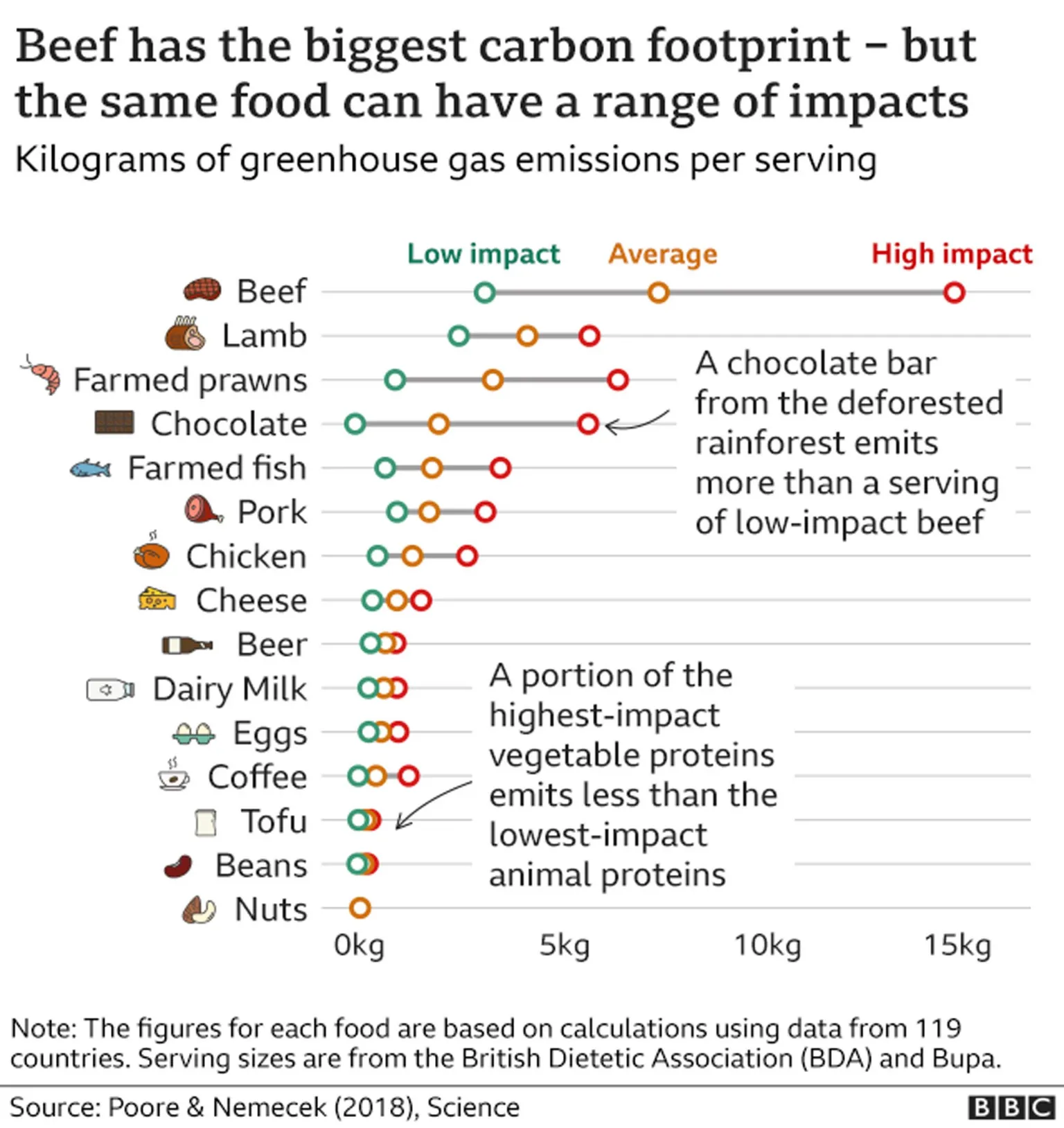
Red meat has a much higher carbon footprint than plant-based or poultry options. Treat it as an occasional food, ideally sourced from a local butcher. Avoid palm oil—which is tied to deforestation—by checking labels on spreads, baked goods, and sauces. What you eat is much more important than how far that food has travelled or how much packaging it has. Transport and packaging typically account for only a small fraction of foods’ greenhouse gas emission.
3. Fly Less, Stay Local More
Flying is among the highest-emission activities. Ireland is an island nation and there are certain realities we accept with that. However, a lot of traffic goes to and from the UK. When flying here, one could consider to travel light and book economy class. Even better yet: opt for a Sail/Rail ticket for just 51 euro. If you take the 07:30am ferry you can arrive in central London by 3pm. As of May 2025, an improved UK timetable has been added with plans to nationalize the Holyhead to London line by October 2026.
4. Be Conscious of Tech & AI Use
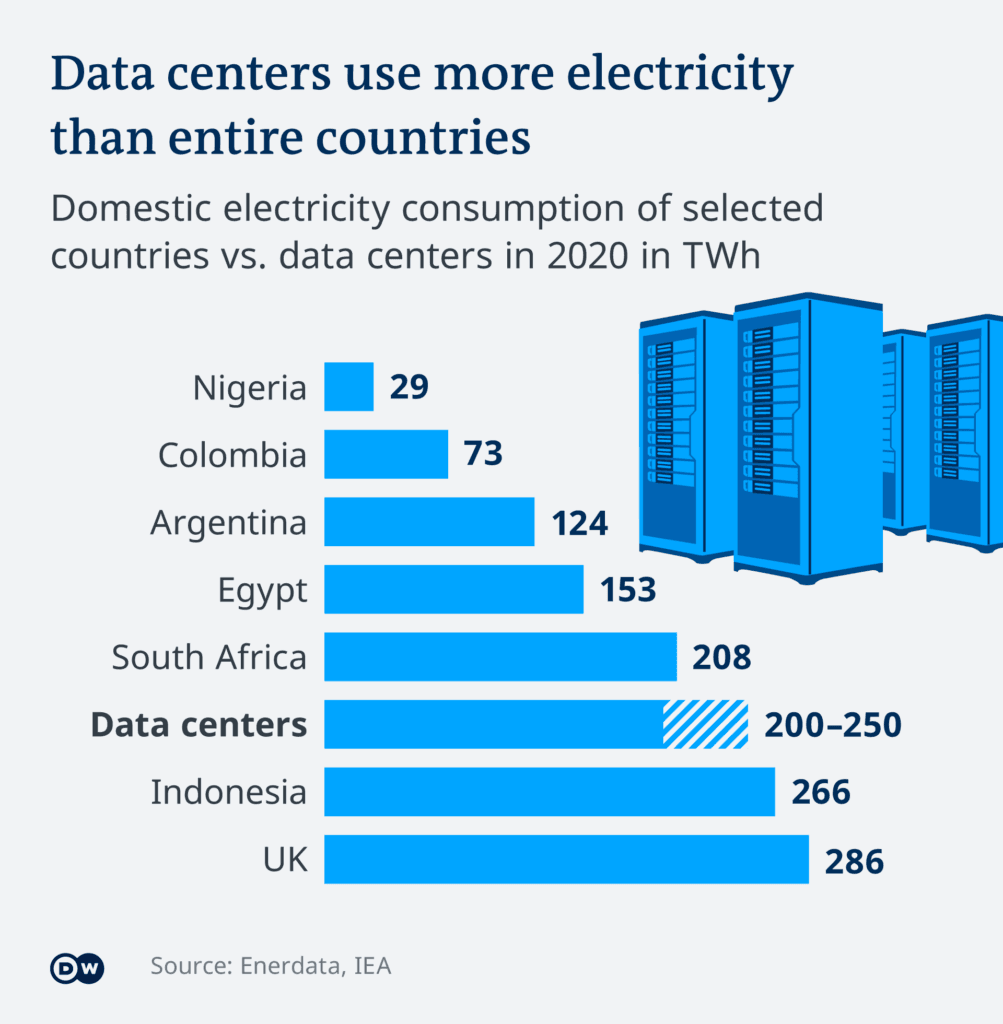
Excessive AI tool use (like large language models) has a hidden carbon cost. Extending your mobile device lifespan and limiting unnecessary AI queries for image and video can save substantial energy in global data centres. Increasingly, there is also evidence that data centres can drive up energy prices for consumers. A medium-sized data centre can consume up to roughly 110 million gallons of water per year for cooling purposes
5. Home heating
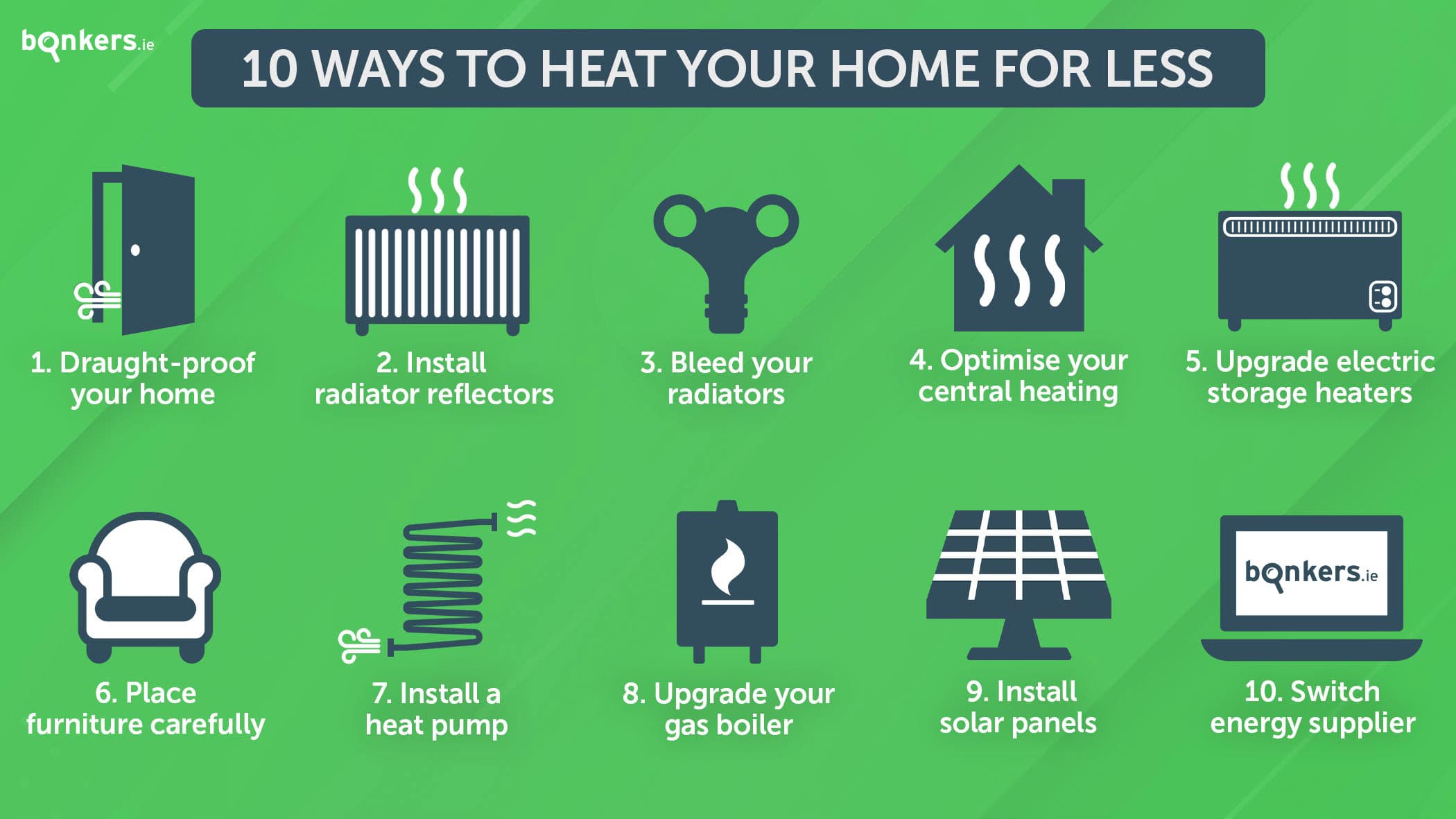
In most homes this is the biggest energy use by far, much bigger than appliances. Insulation, a heat pump instead of a gas boiler, or even turning the thermostat down even 1-2°C all matter a lot. Consider using a smart thermostat to optimize heating schedules and reduce energy waste. Also, check for drafts and seal windows and doors to keep the heat in. Irish home sizes are large compared to other European countries, so even small changes can have a big impact on energy use.
Bonus. Try ditching the fast fashion
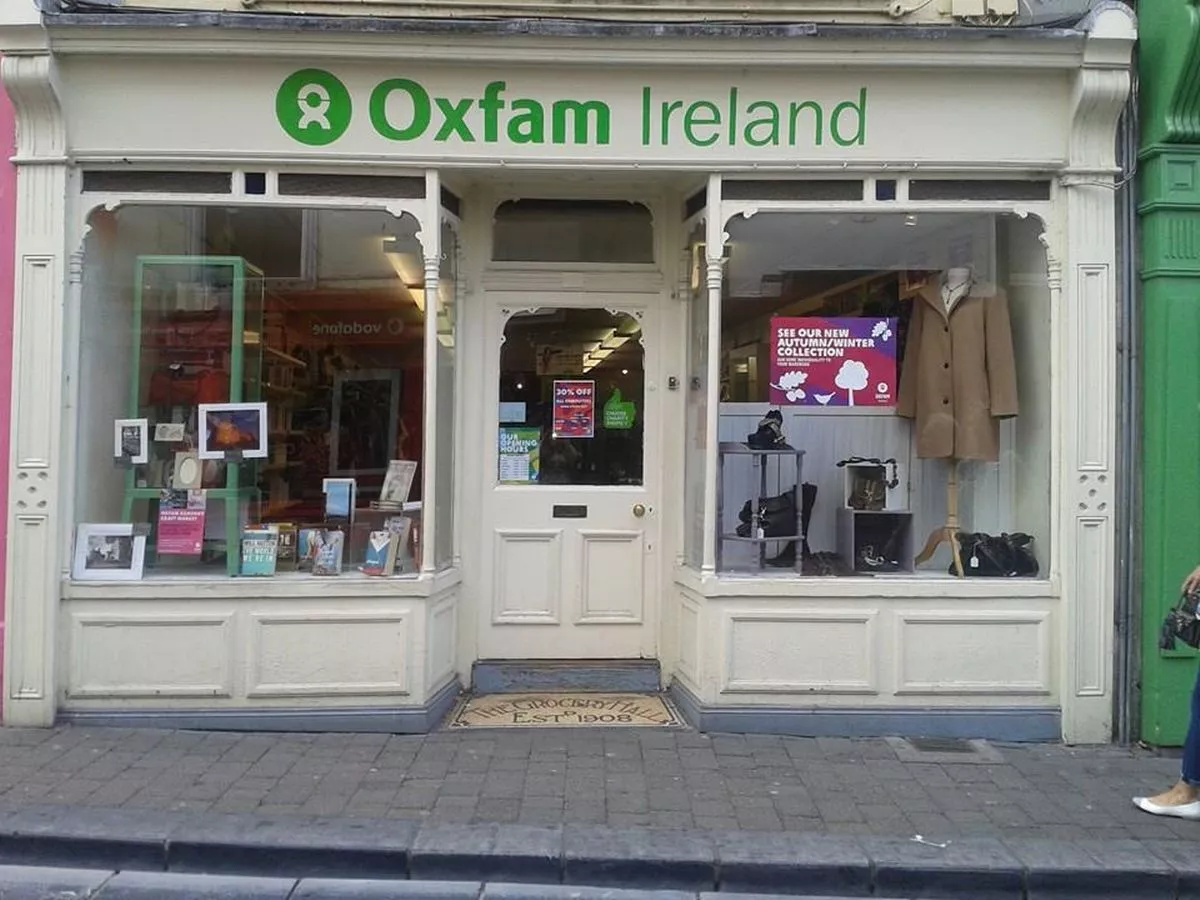
Charity shops have come a long way. Buying second-hand or sustainably made clothes and washing your clothes less frequently can really make them last longer. Liquid or pellet detergent over washing tablets which contain microplastics. Buying less (and better) is powerful climate action.
Register to Vote
If you care about fixing the problems that unite us, don’t just rant about it — act. Register to vote, know who you’re voting for, and hold them accountable for delivering real solutions. Check the register