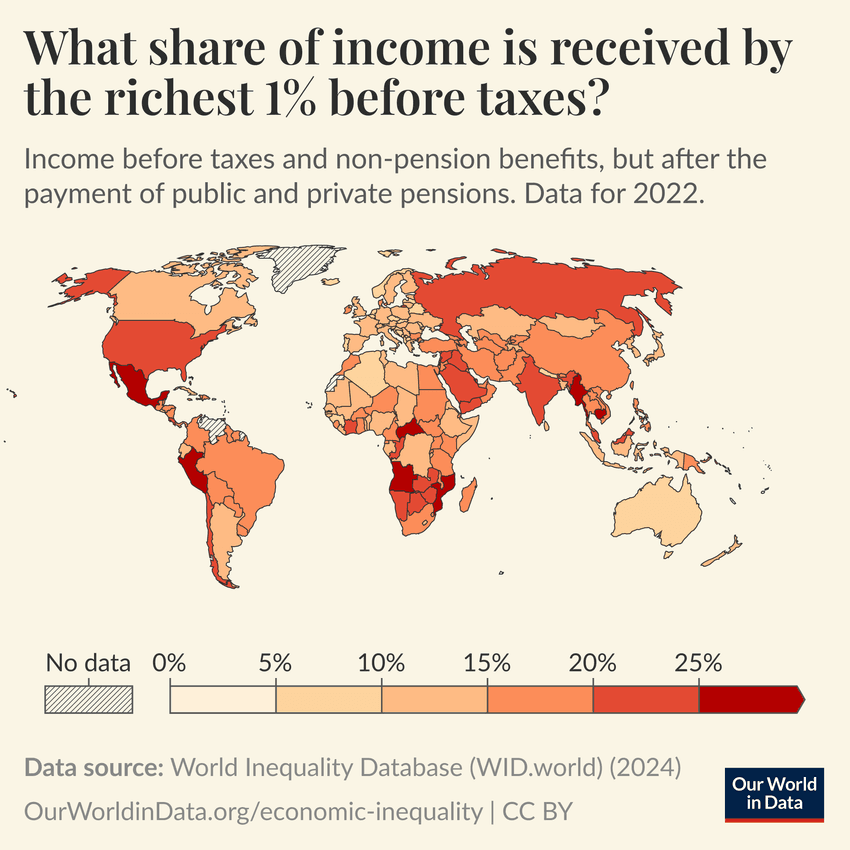
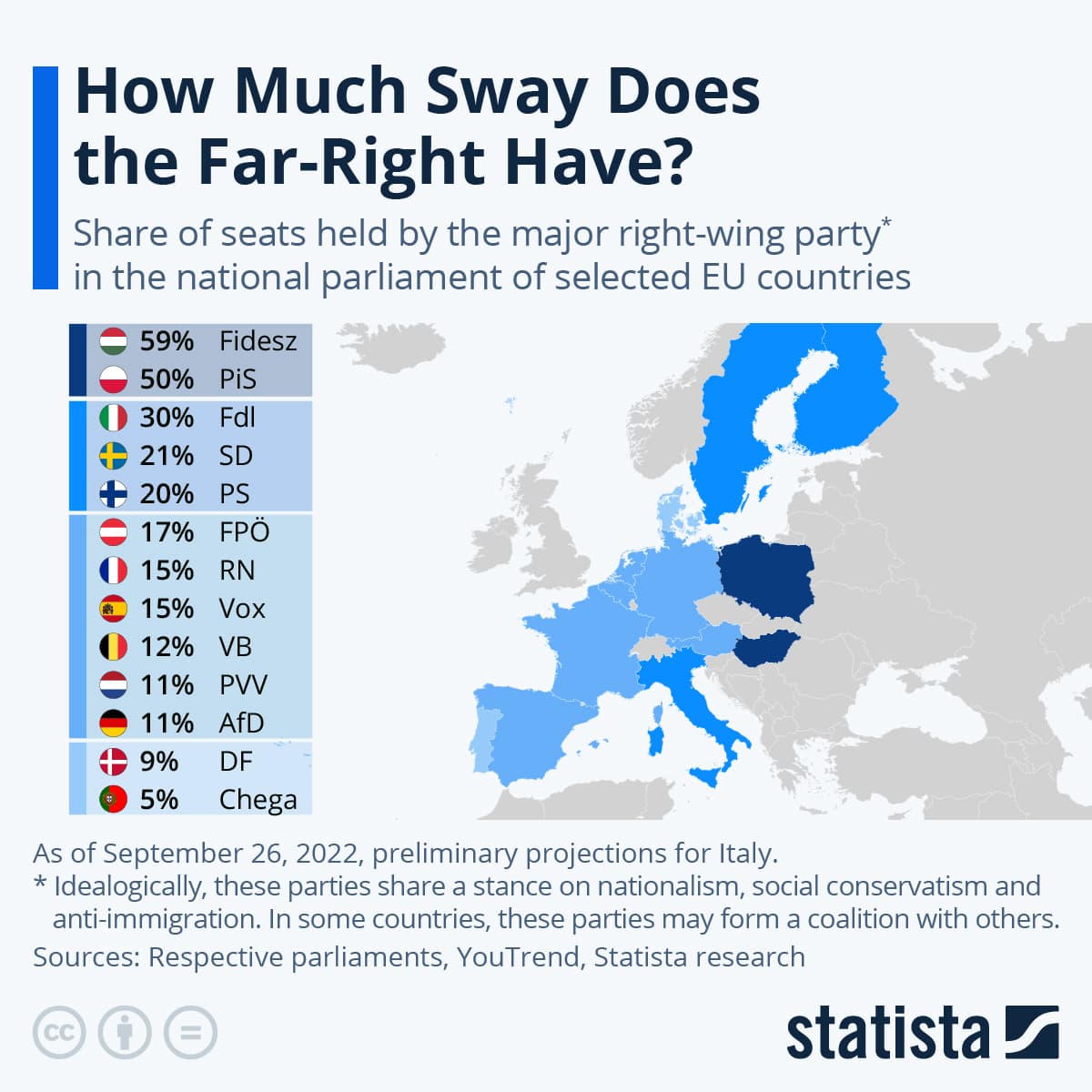
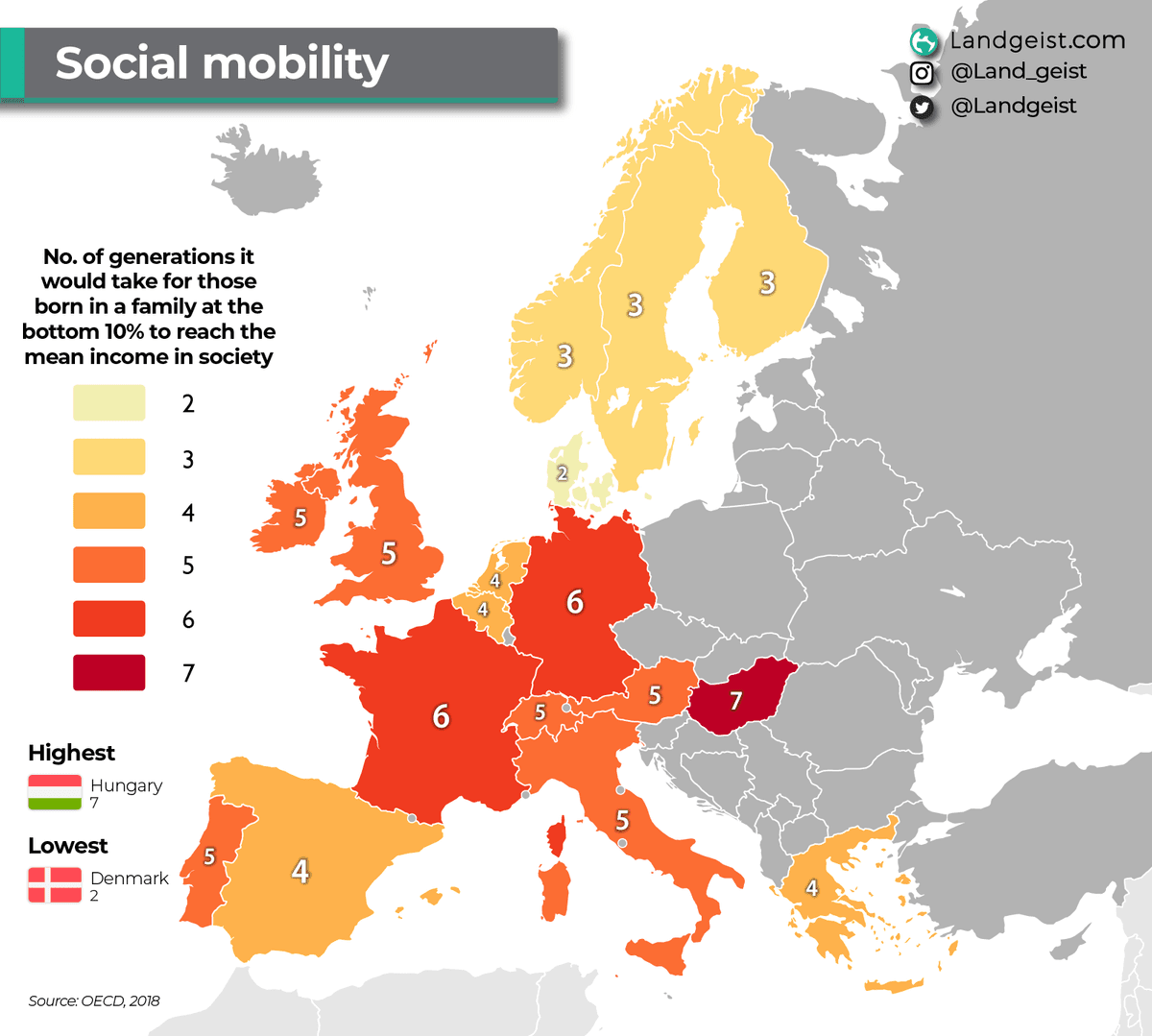
High levels of wealth and income inequality are statistically correlated with significantly lower public confidence in government and public institutions. As wealth becomes increasingly concentrated among the top 1%, the perception that the political system is biased toward the rich grows, leading to a decline in trust and increasing political polarization.
According to Investopedia, populism refers to a range of political stances that emphasize the idea of the people and often juxtapose this group against the elite. It is characterized by an anti-establishment orientation and a claim to represent the interests of ordinary citizens against a corrupt or self-serving establishment. It can manifest across the political spectrum, with both left-wing and right-wing variants. Populist movements often arise in response to perceived economic, social, or political grievances and can lead to significant shifts in a countrys political landscape. Restoring public confidence in government requires a multi-pronged approach that combines robust political accountability, stringent enforcement of rules when politicians break them, and structural reforms to address economic inequality, such as potential wealth taxes. Studies indicate that trust in government is low, with many viewing it as lacking transparency and being overly influenced by private interests
🚧 This page is still in development
Check back later for updates!
Populism and Christine Lagarde
A discussion exploring populism, institutional trust, and the role of central banking leadership in Europe’s political and economic transformation.
Selected Articles
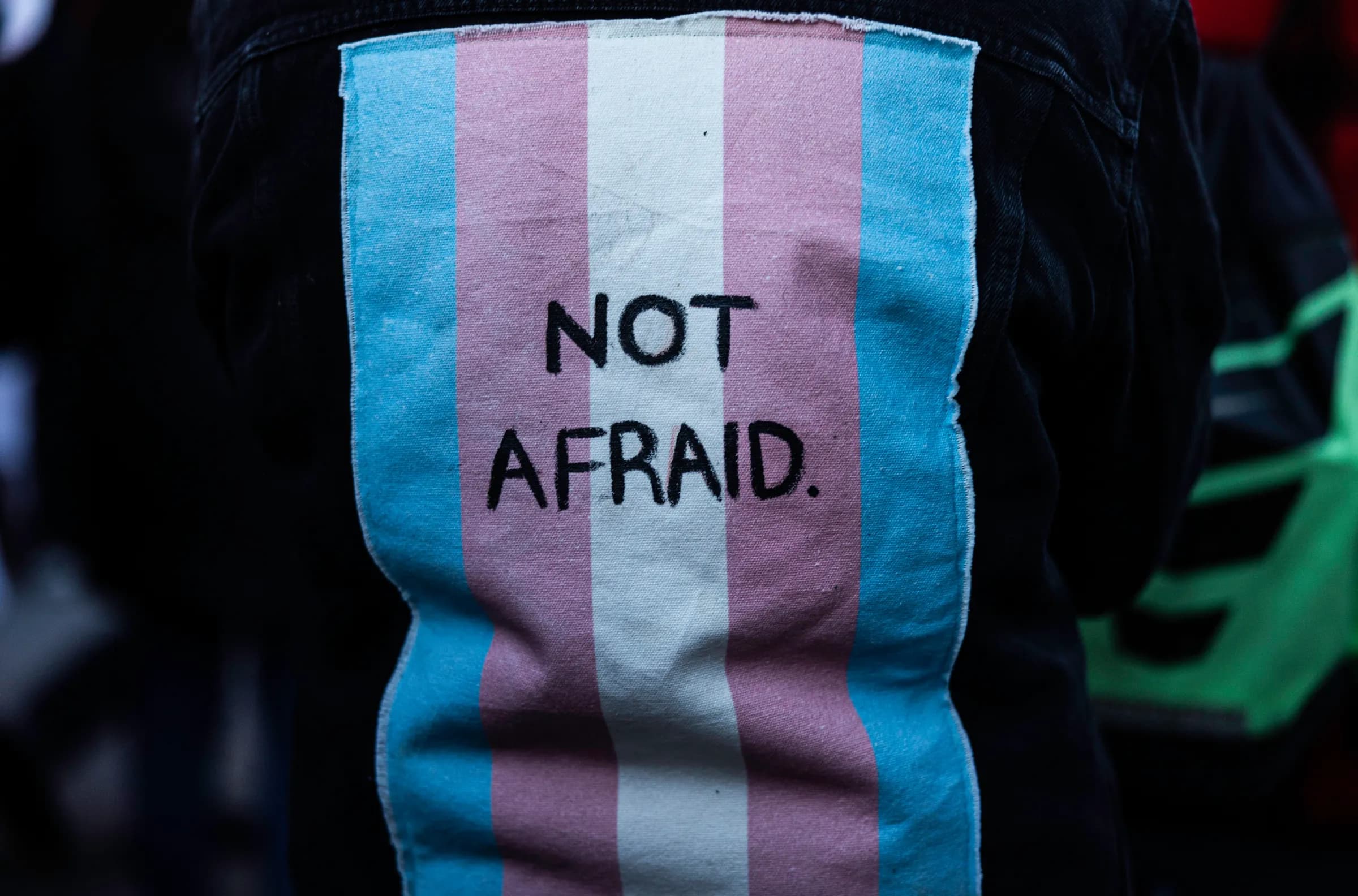
Scapegoat economics: a potential pitfall for the Fourth Industrial Revolution
The Fourth Industrial Revolution is reshaping economic geography and social status. Yet moments of transformation often intensify political scapegoating. Across Europe and beyond, hostility toward minorities and migrants has surged in tandem with technological disruption.

Who Shapes Young Minds? Algorithms Over Editors
Platforms like TikTok and X now reach more young people than traditional Irish media. Their algorithms reward speed and emotional intensity — not verification — reshaping how political narratives spread.
Regulating Influence — Can We Trust the Watchdog?
Coimisiún na Meán is designed to protect Ireland from harmful online influence — but regulation only works if people trust the regulator. As platforms like Musks X amplify partisan content, democratic oversight becomes essential. Trust in institutions is the backbone of preventing manipulation — online and off.