Who do you trust?
People trust social media for news due to perceived authenticity, bypassing corporate media gatekeepers. According to the Reuters Institute Digital News Report, users feel alternative platforms offer unfiltered viewpoints and personal connections, driving the shift toward digital feeds.
Relatability and Personalities: Audiences, particularly younger demographics, connect more with the conversational tone of influencers and peers on platforms like X (formerly Twitter) or Instagram than with traditional, detached news anchors.
Algorithms feed users content aligned with their existing worldviews. Because the news shown matches what they want to hear, it feels inherently more agreeable and correct to them Furthermore, studies published in Nature Human Behaviour reveal that while social media can enhance current affairs knowledge if users follow credible mainstream accounts, relying purely on independent personalities often exposes consumers to unvetted narratives and false claims. Media shapes how we understand politics, climate, economics and even each other. But every outlet has its own perspective, incentives, blind spots and editorial framing. The goal of this page is not to tell people what to think. The goal is to help people think more critically about the information they consume.
Media Bias & Framing Examples
RTÉ
Factuality: High
As Ireland’s public broadcaster, RTÉ aims to provide broad public interest journalism. Critics from both left and right accuse it of political bias depending on the issue being discussed.
Irish Independent
Factuality: High
The Irish Independent generally takes a more market-oriented economic approach, often favouring lower taxation, business interests and private sector solutions.
Irish Times
Factuality: High
The Irish Times tends to place stronger emphasis on social issues, liberal values and climate policy while remaining part of the mainstream media landscape.
Gript Media
Factuality: Mixed
Jacobin
Factuality: High
The Liberal
Factuality: Low
The Power of Political Labels
One subtle but important feature of Irish political coverage is how language gets used to define what is considered “normal”. Opposition parties are frequently described as “left-wing”, while government parties often receive no ideological label at all; or are described simply as “centrist”.
But what counts as “centrist” depends entirely on the political and media environment of a country. In Ireland, ideas such as extremely low corporation tax, limited wealth taxation, reliance on the private market for housing, backsliding on climate commitments, or delaying human rights oriented legislation over economic concerns are often treated as politically moderate positions.
Many people would argue these are not neutral or centrist positions at all, but reflect a broadly market-oriented or right-leaning economic worldview. When one set of ideas becomes normalised as “common sense”, alternatives can begin to appear radical even when they are relatively mainstream elsewhere in Europe.
This doesn’t mean journalists are secretly co-ordinating narratives. It simply shows how media framing influences public perception. The words used to describe political movements matter.
Thinking Critically About Information
Every media organisation operates within a system of incentives. That does not make journalism fake or meaningless. It simply means that people should think critically about how stories are framed and why certain issues receive more attention than others.
- Who owns this publication?
- Who advertises with them?
- What stories dominate headlines repeatedly?
- Which perspectives rarely get discussed?
- Who benefits from the framing?
Logical Fallacies & Emotional Framing
Headlines are often designed to trigger emotion first and reflection second. Learning how cherry-picked statistics, outrage cycles, emotional framing and false dilemmas work can make you far more resilient to manipulation online.
Fallacy of the Day
Learn to recognise common reasoning errors used in everyday debate.
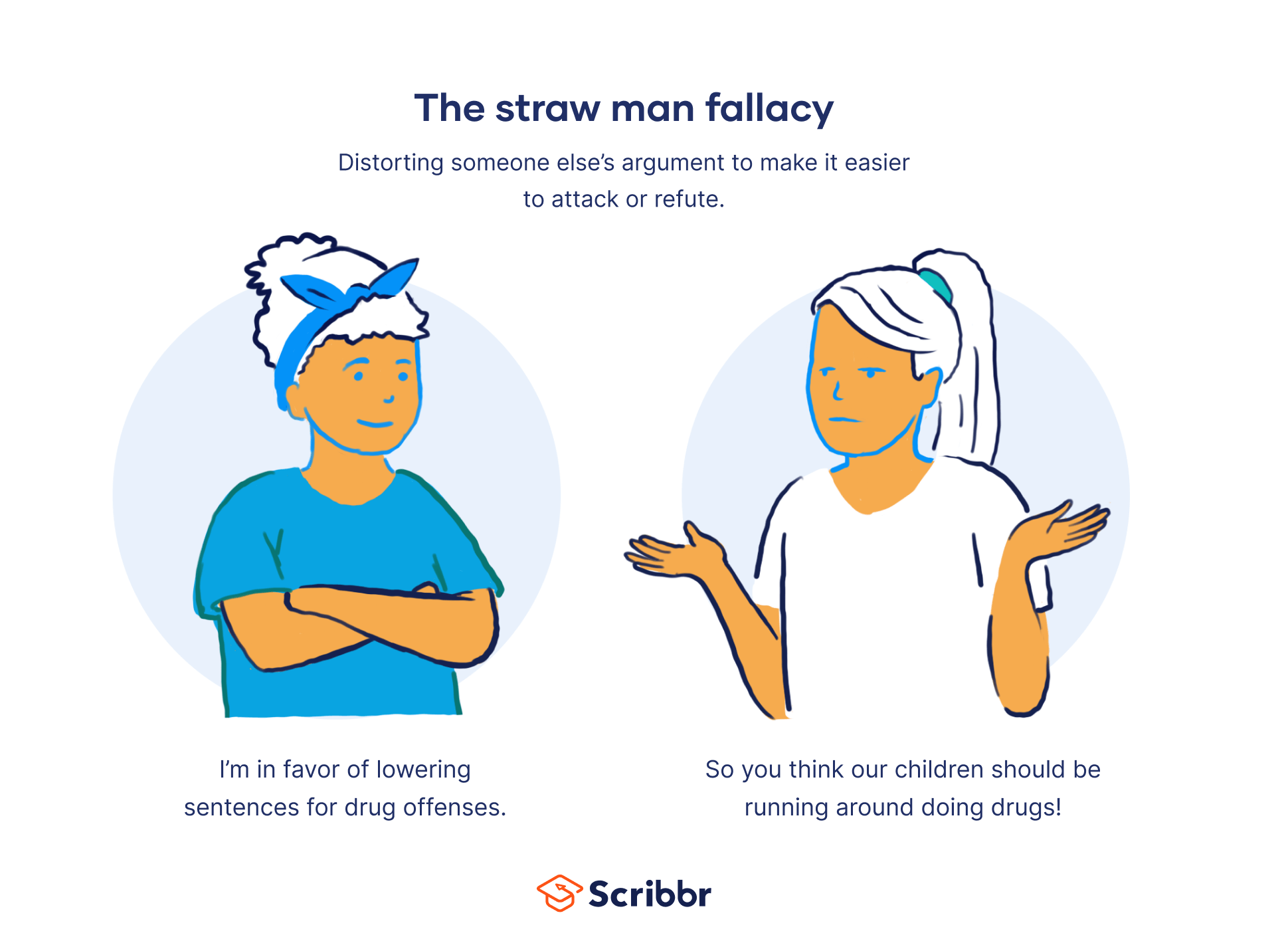
Straw Man
Misrepresenting an opponent's argument to make it easier to attack rather than addressing what they actually said.
Some of Ireland’s Most Visited Websites
Ireland’s Digital Attention Economy
News no longer arrives only through newspapers or television. Increasingly, political opinions, social movements, consumer behaviour, and even voting decisions are shaped by algorithms, recommendation systems, and social platforms competing for attention.
2. YouTube
YouTube is the second most visited website in Ireland and arguably one of the most powerful political and cultural forces shaping public opinion.
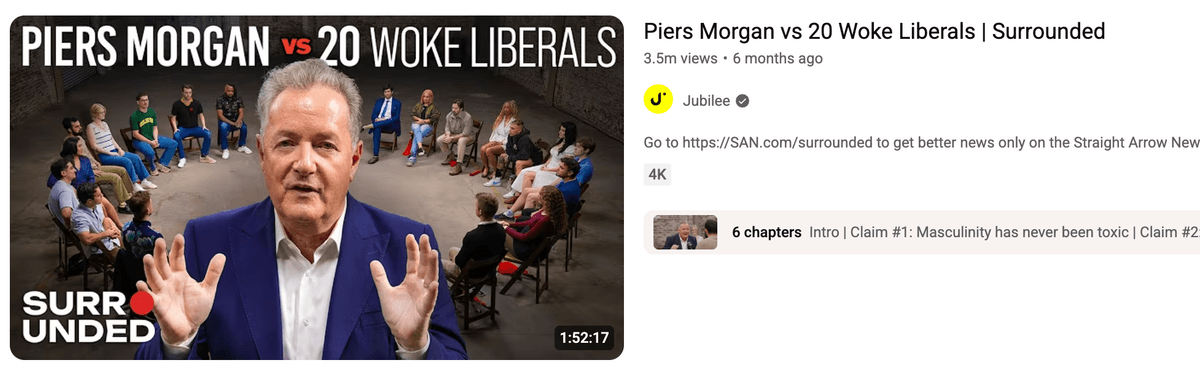
The platform rewards watch time and engagement, meaning content creators are incentivised to produce increasingly emotional, provocative or attention-grabbing material. Many well known media personalities have made an entire career out of provoking knee-jerk contrarian reactions to mainstream narratives, often with little regard for nuance or accuracy, or how it impacts the people affected by their comments. Headlines like:
Why nobody is telling you the truth about immigration
The media doesn’t want you to know this
These formats exist because outrage, conflict and strong emotional reactions often outperform nuance in algorithm-driven environments.
4. Reddit
Reddit is increasingly where many people consume political discussion, particularly younger audiences. Communities can produce useful analysis, but also strong groupthink effects.
Moderation rules on political discussion often vary substantially between communities and can sometimes feel inconsistent or unclear. The same political topic may be encouraged in one community while removed in another depending on moderator interpretation.
7. Facebook
Facebook remains one of the most influential platforms in Ireland despite younger users increasingly shifting elsewhere. Political campaigns, local community groups, news publishers and advertisers still rely heavily on it.
11. X (formerly Twitter)
X remains influential among journalists, politicians, activists and commentators despite declining overall usage.
The platform increasingly mixes politics, entertainment, financial content, adult content and algorithmic recommendations into the same feed. Unlike many social platforms, adult material is openly permitted under platform rules.
Unlike many competing social platforms, X permits adult content and relatively permissive content moderation in many areas. As a result, users may encounter adult material, violent footage, street altercations, conflict videos or other graphic content alongside ordinary posts and entertainment content.
Attention Economy Reality Check
Lists of highly visited websites typically include multiple adult entertainment platforms alongside news sites, social networks and search engines.
This does not necessarily tell us anything about morality, but it does reveal something important about society: attention itself has become one of the world’s most valuable commodities.